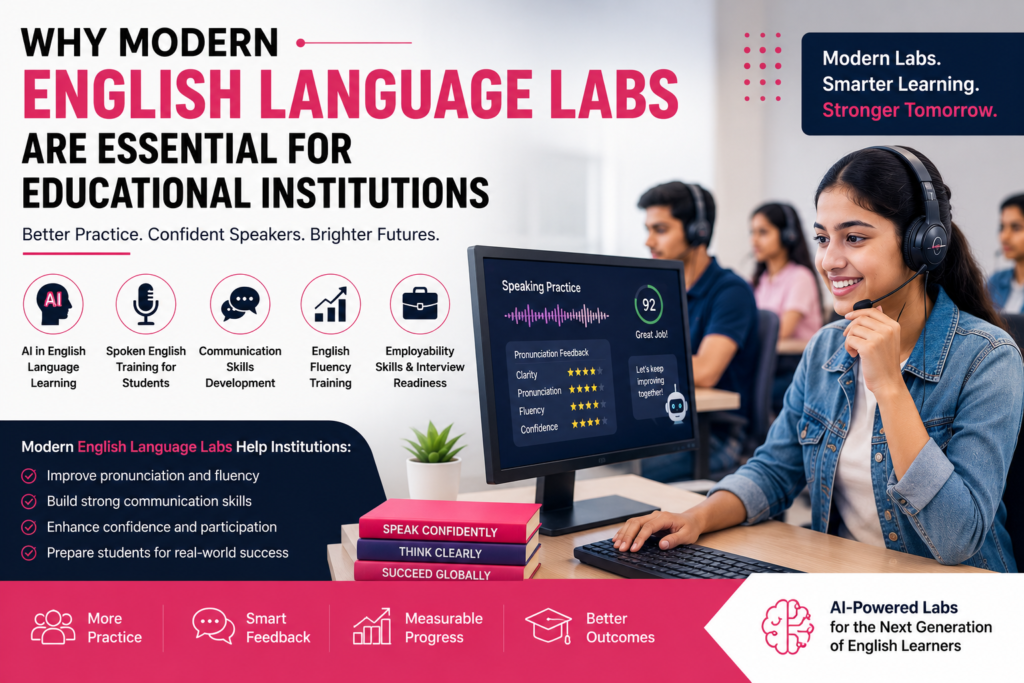
Modern English Language Labs are becoming an important part of education as schools and colleges prepare students for higher studies, job interviews, and a changing workplace. Knowing English grammar is useful, but students also need to speak clearly, share ideas, and take part in real conversations.
However, many institutions face a common challenge. Students may understand English lessons but hesitate when they have to speak. Large classes, limited practice time, and a lack of individual feedback can make it harder for learners to improve.
This is where modern language labs can help. By combining guided teaching with regular speaking activities and suitable digital tools, institutions can give students more chances to practise and build confidence.
Requesting for a Demo to explore how Speech Skills AI can support English speaking practice in your institution.
Why Modern English Language Labs Matter for Students
- Why English language labs matter in modern education
- How AI in English Language Learning supports regular practice
- Ways to improve pronunciation, fluency, and communication
- How English skills help with employability and interviews
- What institutions should consider before choosing a language lab
Why Modern English Language Labs Matter
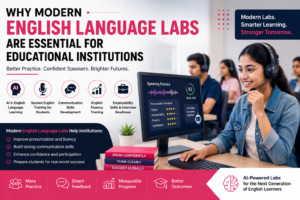
Modern English Language Labs give students a space to practise listening, speaking, and everyday communication through structured activities. Unlike lessons that focus only on written work, a well-planned language lab gives learners more opportunities to use English.
For example, students can practise introductions, describe a topic, answer questions, or take part in a short conversation. These tasks help them use what they learn in class.
Moreover, language labs can support different learning levels. Beginners may need help with basic sentences, while advanced learners may want to improve presentations and discussions. A suitable lab programme can offer activities for both groups.
The goal is not simply to install computers or software. It is to create a learning routine in which students speak regularly, receive guidance, and see where they can improve.
Modern English Language Labs and AI in English Language Learning
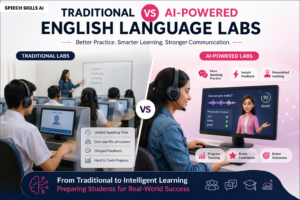
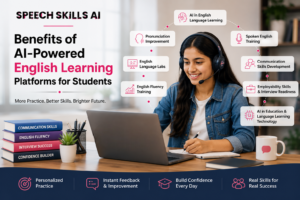
AI in English Language Learning can add another layer to the classroom experience. Depending on the platform, students may practise conversations, repeat sentences, and receive feedback on selected aspects of their speech.
This is useful when teachers have many students and cannot listen to every learner individually during each lesson. Students can complete additional practice, while teachers use classroom time to explain mistakes, guide discussions, and build deeper understanding.
For instance, a student who finds it difficult to answer questions in English can practise a simple conversation several times. Over time, this can help the learner become more comfortable with speaking.
Still, AI should support teachers rather than replace them. Human guidance remains important for understanding context, building confidence, and helping students express their ideas naturally.
Modern English Language Labs for Spoken English Training
Spoken English Training for Students should go beyond reading a passage aloud or memorising answers. Learners need practice with situations they may face in daily life, education, and work.
Useful activities include:
- Introducing themselves to a new group
- Explaining an idea in simple words
- Asking and answering questions
- Taking part in group discussions
- Giving short presentations
- Practising everyday conversations
Regular practice helps students become more comfortable with speaking. In addition, a supportive environment can make it easier for learners to try again after making mistakes.
Modern labs can give students more ways to practise these activities, while teachers help them use the language correctly and confidently.
Pronunciation Improvement and English Fluency Training
Clear speech helps listeners understand a speaker’s message. Therefore, Pronunciation Improvement should be part of a good language learning plan.
Students may need to work on individual sounds, word stress, sentence rhythm, or the way they connect words. Some digital tools can provide feedback on selected pronunciation features, allowing learners to review and repeat difficult words.
At the same time, English Fluency Training focuses on expressing ideas smoothly without long pauses or constant difficulty finding words. Activities such as role-play, storytelling, and question-and-answer practice can help students build this skill.
Pronunciation and fluency are related, but they are not the same. Students should aim to communicate clearly rather than copy a particular accent. Teacher feedback and real conversations remain important parts of the learning process.
Communication Skills Development Goes Beyond Grammar
Communication Skills Development involves more than speaking correct English. Students must also listen carefully, organise their thoughts, respond to others, and explain their views in a clear way.
For this reason, institutions should choose lab activities that reflect real communication needs. For example, students can practise giving directions, explaining a problem, discussing a topic, or working through a simple group task.
AI-based practice can support individual learning, while teachers can lead group discussions and give feedback on tone, clarity, and meaning.
Together, these activities help students use English for more than exams. They prepare learners to communicate in classrooms, colleges, and professional settings.
AI in Education: Preparing Students for Employability Skills
AI in Education is creating new ways to support learning, but institutions need to use these tools with clear goals. The most useful approach connects technology to skills students actually need.
Employability Skills include communication, teamwork, problem-solving, and the ability to explain ideas clearly. Students entering the job market may have the right subject knowledge but still struggle to present themselves during an interview or workplace discussion.
Modern language labs can help students practise common professional situations. They may rehearse introductions, explain their strengths, or take part in simulated conversations.
These activities can also support Interview Readiness. Students can practise answering questions, review areas that need work, and try again before a real interview.
However, practice alone does not guarantee success. Institutions should combine language activities with teacher guidance, career support, and feedback that helps students improve their answers.
Choosing the Right Language Learning Technology
Language Learning Technology should solve a real learning problem, not simply add another tool to the classroom. Before selecting a platform, schools and colleges should review how it fits their teaching plans and student needs.
Consider these questions:
- Speaking practice: Can students practise useful, real-life conversations?
- Feedback: Does the platform help learners identify areas for improvement?
- Teacher reports: Can teachers review student activity and progress?
- Ease of use: Can students and staff use the system without unnecessary difficulty?
- Learning goals: Do the activities support the institution’s English curriculum?
- Privacy: Are student data and access controls handled responsibly?
- Teacher involvement: Does the tool support classroom teaching and human feedback?
Institutions can also use free learning materials from the British Council’s LearnEnglish website to support classroom activities and independent practice.
The right choice depends on the institution’s goals, available resources, student needs, and the quality of the learning experience.
How Speech Skills AI Can Support Modern English Learning
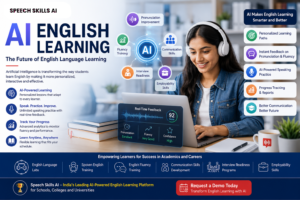
Speech Skills AI focuses on English speaking practice and communication skills through an AI-based learning approach. For schools and colleges, this type of solution can form part of a wider plan to give students more structured opportunities to practise.
Institutions evaluating the platform should look at how its practice activities fit their students’ needs, how teachers can use available reports, and how the solution supports existing lessons.
Rather than choosing a platform based only on its use of AI, decision-makers should review its features and see whether it addresses their specific challenges.
Explore Speech Skills AI features to learn more about the platform and its approach to speaking practice.
Conclusion: Modern English Language Labs Support Better Learning
Modern English Language Labs can help educational institutions give students more opportunities to practise speaking, improve pronunciation, develop fluency, and build communication skills. When supported by suitable AI tools, these labs can add practice and feedback opportunities to regular classroom teaching.
The value of AI in English Language Learning comes from how well it supports the learning process. Technology works best when students practise regularly, teachers guide their progress, and institutions set clear learning goals.
By choosing the right Language Learning Technology, schools and colleges can help students build skills that matter in higher education, interviews, and future careers.
Ready to explore an AI-supported language learning solution for your institution? Requesting for a Demo to discuss your institution’s needs and see whether Speech Skills AI is a suitable fit for your students.