
In today’s competitive world, academic scores alone are no longer enough to guarantee success. While good marks demonstrate subject knowledge and dedication, communication skills determine how effectively you present your ideas, collaborate with others, and create opportunities for personal and professional growth.
Whether you’re a student preparing for placements or a professional aiming for career advancement, strong communication skills can make a significant difference.
Marks Open Doors, Communication Helps You Walk Through Them
Good grades may help you secure an interview, but your communication skills often determine whether you get the job. Employers value candidates who can confidently explain their ideas, work in teams, and communicate with clients and colleagues.
The ability to express yourself clearly leaves a lasting impression and builds trust from the very first interaction.
Communication Builds Confidence
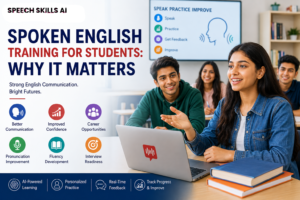
Many talented students hesitate to speak because they lack confidence, not knowledge. Developing communication skills helps you:
- Speak confidently in front of others
- Express thoughts clearly
- Participate in discussions
- Handle interviews with ease
- Build meaningful relationships
Confidence grows when you practice speaking regularly and receive constructive feedback.
Employers Prioritize Soft Skills
Modern workplaces require more than technical expertise. Companies seek individuals who can communicate effectively across teams, solve problems collaboratively, and represent the organization professionally.
Some of the most valued communication skills include:
- Active listening
- Public speaking
- Presentation skills
- Business communication
- Team collaboration
- Professional email writing
These skills improve workplace productivity and foster better teamwork.
Communication Improves Academic Success Too
Communication isn’t only important after graduation—it also enhances learning.
Students with strong communication skills are more likely to:
- Ask meaningful questions
- Participate actively in class
- Present projects confidently
- Collaborate effectively on group assignments
- Build stronger relationships with teachers and peers
Learning becomes more engaging when students communicate openly.
Better Communication Creates Better Leaders
Leadership begins with communication. Whether you’re leading a classroom project, managing a team, or presenting business ideas, success depends on your ability to inspire and influence others.
Great leaders know how to:
- Share a clear vision
- Motivate people
- Resolve conflicts
- Listen actively
- Make informed decisions through effective discussions
Leadership is built through consistent communication practice.
AI is Changing the Way We Learn Communication
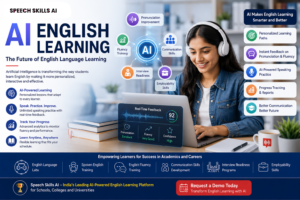
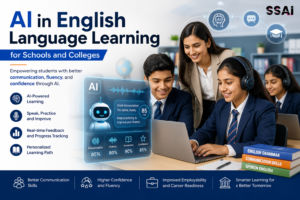
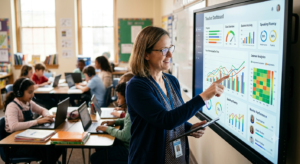
Technology has transformed communication training. AI-powered platforms now provide instant feedback on pronunciation, fluency, confidence, pace, vocabulary, grammar, and presentation skills.
Learners can practice anytime, receive personalized coaching, and continuously improve through data-driven insights.
This makes communication training more accessible, engaging, and effective than ever before.
Practical Ways to Improve Communication Skills
Improving communication doesn’t happen overnight, but consistent practice leads to lasting results.
Here are a few simple habits:
- Read books, articles, and blogs regularly.
- Practice speaking English every day.
- Record your presentations and review them.
- Participate in debates, discussions, and group activities.
- Improve your listening by watching informative talks and podcasts.
- Seek constructive feedback from mentors or AI-based coaching tools.
Even 15–20 minutes of daily practice can lead to noticeable improvement.